
From Amenity to Expectation: Wellness Is Becoming Part of the Hotel Product
The next generation of hospitality may compete not only on where guests stay, but on how guests feel while they are there.
Something significant is happening across travel, hospitality and real estate.
Wellness is moving from the edge of the experience toward the center.
The Global Wellness Institute's 2025 Global Wellness Economy Monitor estimates that the global wellness economy reached $6.8 trillion in 2024, growing 7.9% from the previous year. It projects the market to grow another 7.6% annually and reach approximately $9.8 trillion by 2029.
Wellness tourism is also projected to grow by approximately 9.1% annually through 2029.
These numbers represent more than the expansion of spas and retreats.
They reflect a larger change in how consumers are prioritizing wellbeing in everyday life and, increasingly, while traveling.
__________________________________________________________________________________________
Wellness is becoming part of the development strategy
The scale of investment entering the sector makes this particularly visible.
A 2026 Global Wellness Summit survey featured by Forbes identified 33 anticipated wellness resorts and residential developments spanning hospitality, longevity, preventive health, recovery, fitness and wellness-focused living.
The projects range from Equinox Resort and Residences AMAALA and Clinique La Prairie's forthcoming health resort in Saudi Arabia to Aman Miami Beach, Six Senses developments and new longevity-focused destinations around the world.
What is especially interesting is not simply that more wellness resorts are being built.
It is how deeply wellness is being integrated.
Forbes describes a market moving beyond the traditional resort spa into residential environments, private clubs, urban developments, medical centers and communities where wellbeing is considered from the beginning rather than added later as an amenity.
That has implications far beyond dedicated wellness resorts.
__________________________________________________________________________________________
Hotels do not need to become wellness retreats
- A city hotel does not need a longevity clinic.
- A boutique property does not need a twenty-room spa.
- A resort does not need to turn every guest stay into a structured wellness program.
But hotels do need to recognize that the guest's relationship with wellness is changing.
Luxury travelers are increasingly exposed to sophisticated experiences built around sleep, recovery, fitness, nutrition, beauty, mindfulness and personalized wellbeing.
Those experiences influence expectations elsewhere.
The question therefore becomes less: "Should our hotel become a wellness destination?"
And more: "Where could wellness create meaningful value within our existing guest journey?"
The opportunity is to create layers
Hospitality has always created differentiation through layers.
- The room.
- The bed.
- The bath.
- Food and beverage.
- Design.
- Service.
- Destination.
Wellness is increasingly becoming another layer connecting those elements.
For some properties, that may mean sophisticated spa and fitness programming.
For others, it may mean better sleep.
- Outdoor movement.
- Healthier dining.
- Mindfulness.
- Recovery.
- Beauty and personal care.
Or small experiences guests can access without planning their day around them.
This last category deserves particular attention.
Because the future of hotel wellness cannot depend exclusively on guests booking a treatment.
__________________________________________________________________________________________
Making wellness more accessible within the stay
Some of the world's most established wellness destinations demonstrate how broad the idea of self-care has already become.
First in Service's review of luxury wellness resorts highlights experiences ranging from yoga, meditation and nutrition to spa treatments, outdoor activity, personal training, beauty and multi-day longevity programs. At Chablé Yucatán, for example, guests can move between yoga, meditation, spa experiences, cycling and personalized morning deliveries based on preferences selected at check-in.
The common thread is not one particular treatment.
It is the ability for wellness to touch multiple parts of the stay.
Hotels outside the dedicated wellness category can learn from that principle without replicating the scale.
__________________________________________________________________________________________
Where Soomé fits
Soomé approaches this opportunity through a smaller, highly flexible guest moment.
The HydraCelix™ Hydrogel Mask was created for hospitality environments where hotels want to introduce a refined wellness experience without adding another staffed service.
The experience is self-directed, individually sealed and easy to integrate across different hospitality touchpoints, including premium rooms, suites, VIP recognition, wellness packages, groups, retreats and selected destination experiences.
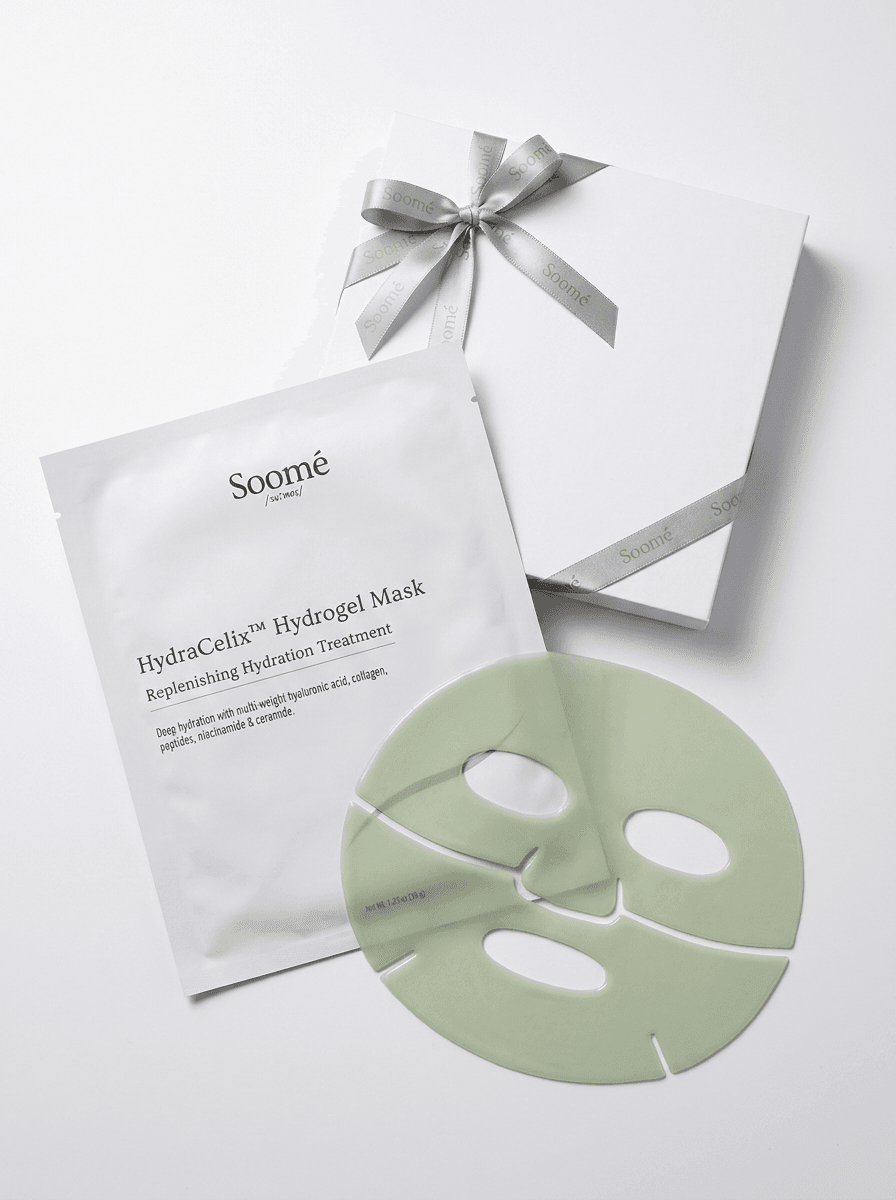
For the guest, the experience is simple.
- A cooling reset after arrival.
- Hydration after travel or activity.
- A private moment before dinner.
- A little time to themselves.
For the hotel, it offers another way to make wellness tangible within the stay.
As the world's most ambitious hospitality developments invest billions into wellness, longevity and recovery, most hotels will not compete at that scale.
Nor do they need to.
The more relevant question is: "How can wellness become meaningful for the guests already staying with us?"
The answer may begin with much smaller moments.
👉 Explore Partnership Opportunities to bring Soomé’s signature wellness experience to your guests.
__________________________________________________________________________________________
Sources & Further Reading
Global Wellness Institute — 2025 Global Wellness Economy Monitor
Global Wellness Institute — Wellness Economy Reaches $6.8 Trillion
Forbes — The 33 Most Anticipated New Wellness Resorts and Residences
First in Service — Prioritize Self-Care at These 9 Luxury Wellness Resorts