What if the next Wellness Space is already inside the Guest Room?
Luxury hospitality is expanding wellness beyond the spa and into the everyday flow of the stay.
For decades, hotel wellness had a recognizable address.
The spa. The fitness center. The treatment room. Perhaps a morning yoga class overlooking the pool.
Those experiences remain important, particularly in luxury hospitality. But the definition of wellness is becoming broader. Guests are increasingly looking for ways to rest, recover and recharge throughout the stay, not only during a scheduled treatment.
That creates an interesting question for hotels:
"What if some of the most relevant wellness moments of the future happen inside the guest room?"
Wellness is moving closer to the guest
Luxury hospitality is already beginning to explore this shift.
Sofitel's examination of emerging wellness trends describes a future that is increasingly personalized, spanning sleep, skincare, recovery, mindfulness and technology-enabled experiences. It also highlights the rise of wellness-optimized rooms, where lighting, temperature and digital content can support rest and recovery without requiring the guest to visit another part of the hotel.
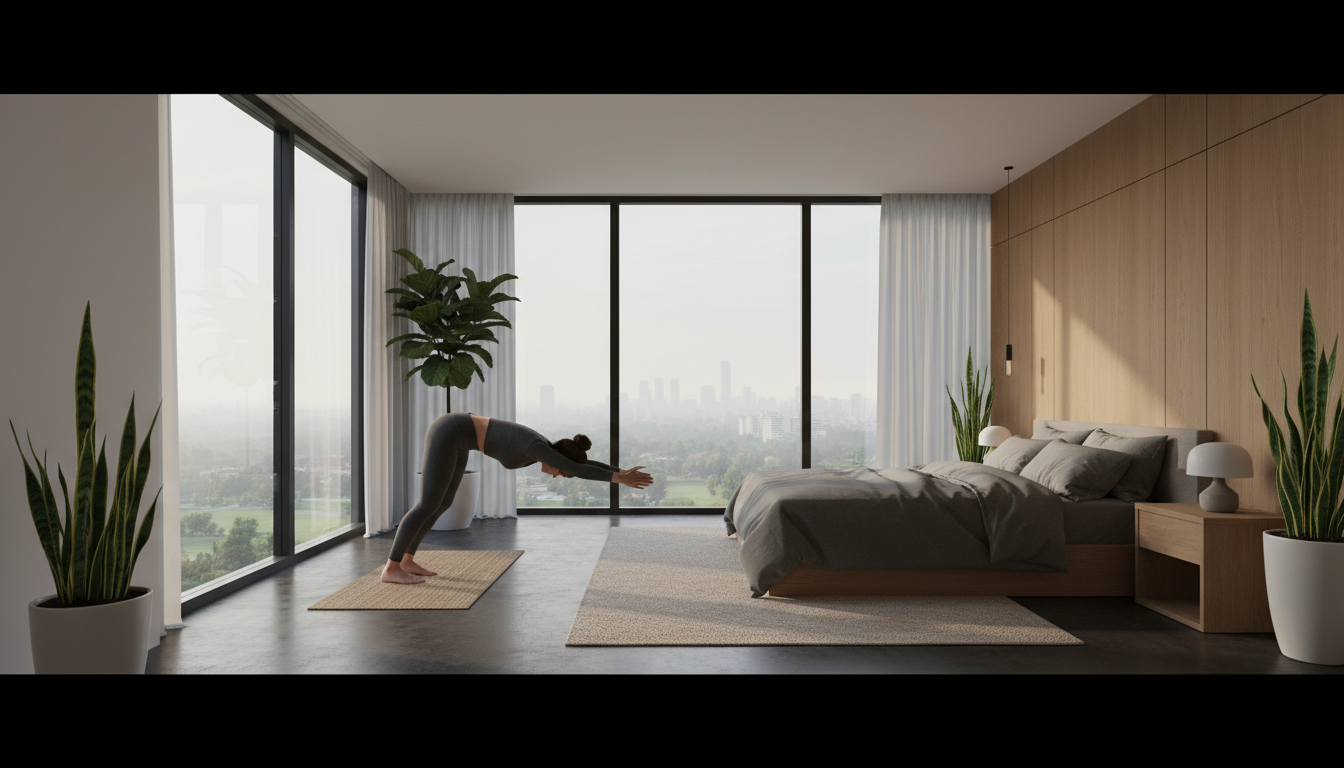
At Sofitel Los Angeles, for example, guests can access in-room nature-inspired content and guided yoga, stretching, breathwork and meditation on demand, including sessions that can be completed in as little as five minutes.
The significance is not the technology itself.
It is where wellness is happening.
Increasingly, the guest does not have to leave the room.
__________________________________________________________________________________________
Privacy is becoming part of wellbeing
Hilton's 2026 Trends Report adds another dimension.
Based on research involving more than 14,000 travelers across 14 countries, Hilton found that 27% of business travelers actively seek solo time during work trips, while 19% choose sleep over socializing with colleagues. Hilton describes the broader movement as “hushpitality,” reflecting travelers' growing interest in calm, quiet and opportunities to disconnect from the demands around them.
This matters because wellness is not always about doing more.
Sometimes it is about having permission to do less.
- After a flight.
- Between meetings.
- Before dinner.
- After returning from the gym, pool or city.
For many guests, the hotel room is where those transition moments naturally happen.
The guest room is already evolving
Hotels have long invested in the room as a place for comfort and sleep.
Premium bedding, blackout curtains, pillow menus, bath amenities, temperature control and turndown experiences have all contributed to making rest part of the hospitality product.
Now the opportunity is becoming broader.
Sofitel points to sleep enhancement programs, circadian lighting, optimal room temperatures and technology designed to support meditation, movement and recovery. The room is gradually becoming more than somewhere a guest sleeps.
It is becoming an environment that can actively support how the guest wants to feel.
That distinction opens new possibilities.
Not every wellness experience needs an appointment
A guest arriving after a long-haul flight may want twenty quiet minutes before dinner.
A conference attendee may want to reset between the final session and an evening reception.
Someone returning from a workout may simply want to cool down, hydrate and feel refreshed before continuing the day.
These moments do not necessarily require another facility or an extensive wellness program.
What they require is access at the right time.
For hotels, that creates an opportunity to think about wellness in much the same way they think about other elements of the room experience: thoughtfully available when it becomes relevant.
__________________________________________________________________________________________
Where Soomé sees the opportunity
This evolving space between traditional hotel amenities and formal wellness services is central to the thinking behind Soomé.
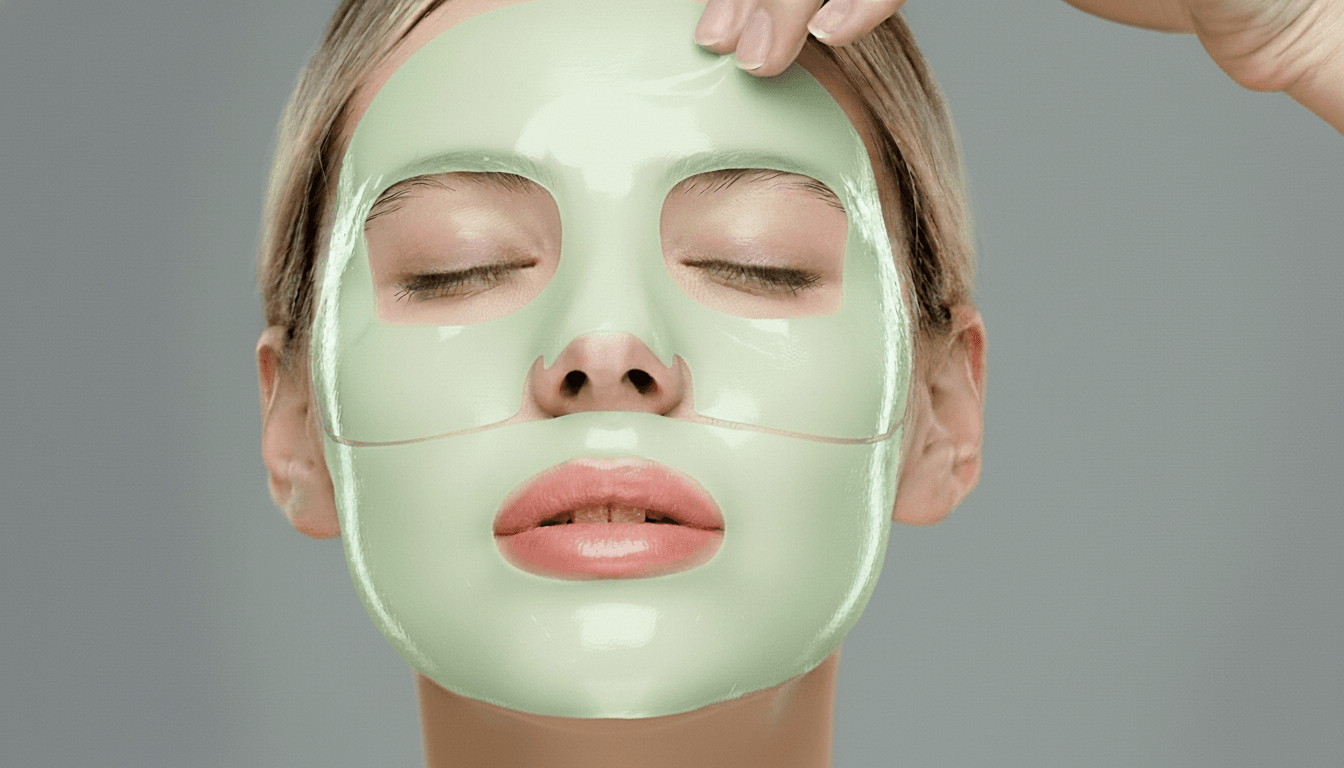
The Soomé HydraCelix™ Hydrogel Mask is designed as a self-directed, room-ready wellness experience that guests can use privately and on their own schedule.
- After travel.
- After activity.
- Before an evening out.
- Between meetings.
Or simply during a quiet moment inside the room.
It is not intended to compete with the spa.
It addresses a different moment.
As hotels continue to expand wellness beyond dedicated facilities, the next opportunity may not always be to create another place guests have to visit.
It may be to reconsider what can happen in the space they already have.
The guest room.
👉 Explore Partnership Opportunities to bring Soomé’s signature wellness experience to your guests.
__________________________________________________________________________________________
Sources & Further Reading
Sofitel — Beyond Escape: How Wellness Trends Are Rewriting Your Travel StoryHilton — 2026 Trends Report: The Rise of the Whycation
#WellnessTourism #HospitalityInnovation #LuxuryWellness #GuestExperience #Soomé #HydraCelixComplex #HydrogelMask #WellbeingDesign #Futuretravel